If you are asking, how do I get an apostille in the US, you are usually already on a deadline. A marriage abroad, dual citizenship file, overseas job, foreign university, immigration case, or international business transaction can all depend on getting one document accepted in another country. The process is manageable, but it is not one-size-fits-all. The right path depends on the document, the state that issued it, and the country where it will be used.
How do I get an apostille in the US? Start here
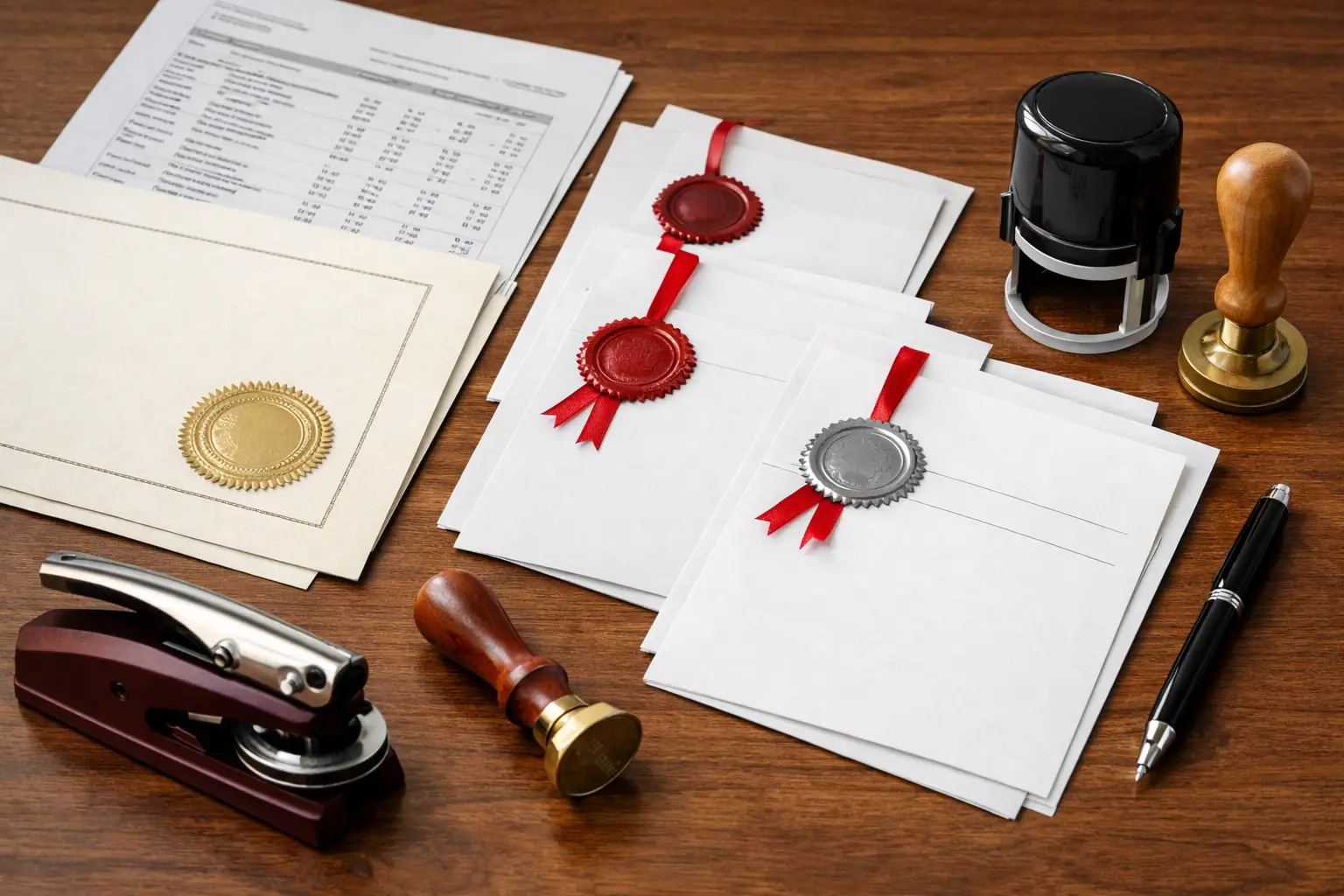
An apostille is a government-issued certificate that confirms the authenticity of a public document for use in another Hague Apostille Convention country. In the US, apostilles are not issued by one central national office for most documents. They are usually issued by a Secretary of State, or by the US Department of State for certain federal records.
That distinction matters. If your birth certificate was issued in California, the apostille usually comes from California. If your FBI background check is federal, the apostille usually comes from the US Department of State. If the destination country is not part of the Hague Convention, you may need embassy or consular legalization instead of an apostille.
This is where many delays begin. People often prepare the wrong version of a document, send it to the wrong office, or assume every country accepts an apostille. A fast result starts with identifying the document type and destination country correctly.
Step 1: Confirm whether you need an apostille or legalization
Before you pay for anything, confirm what the receiving country wants. If the country is a Hague member, an apostille is typically the correct form of authentication. If it is not, the process usually becomes legalization, which can include state certification, US Department of State authentication, and embassy or consulate processing.
There is no benefit to getting an apostille for a non-Hague country if the receiving authority requires legalization. It will not substitute for the correct chain of authentication. This is especially relevant for corporate documents, powers of attorney, and legal filings used in countries with stricter consular requirements.
Step 2: Make sure you have the right document version
Not every paper can be apostilled in the form you currently have it. The issuing authority wants a document that is eligible for certification.
For vital records such as birth, marriage, or death certificates, you usually need a certified copy issued by the proper county or state agency. A photocopy is generally not enough. Click here to screen your documents for free: FREE SCREENING
For school records, requirements vary. Some states allow apostilles on notarized diplomas or transcripts, while others require school registrar signatures, county certifications, or state education department steps first.
For powers of attorney, affidavits, passport copies, and many personal-use documents, notarization is often required before apostille submission. The notarization must meet the rules of the state where it was performed.
For corporate records, the acceptable version may be a certified copy from the Secretary of State, a notarized corporate resolution, or another formally executed record depending on the transaction and country.
Small document issues cause big delays. An outdated notarization, an incomplete notarial certificate, or the wrong certified copy can stop the process even before timing becomes a factor.
Step 3: Identify the correct issuing authority
The office that issues the apostille depends on where the underlying document originates.
State-issued documents are generally apostilled by the Secretary of State in that same state. This includes most vital records, notarized documents, and many school or corporate records.
Federally issued documents follow a different route. Common examples include FBI background checks, Certificates of Naturalization copies handled under specific rules, and certain federal court or agency documents. These usually require federal authentication rather than state processing.
This is one of the most common misunderstandings for clients living abroad or outside the state of issue. Your current location does not determine the apostille office. The document origin does.
Step 4: Check whether notarization is required
Some documents are apostilled as certified public records. Others must first be notarized. That sounds simple, but state rules are not uniform.
If you are submitting a personal statement, power of attorney, authorization letter, or copy certification where allowed, the notary wording and signature must be acceptable for apostille purposes. If the notary commission is not active, the seal is unclear, or the certificate is incomplete, the state can reject it.
For clients outside the US, this step can be more complicated. You may need remote notarization where legally accepted, US consular notarization, or a document redrafted to fit state requirements. It depends on the document and the state handling the apostille. Click here for our remote notary services Click here for our remote notary services
Step 5: Submit the document with the correct request details
Once you submit your free screening request, we will provide specific instructions tailored to your needs. We’ll let you know whether to ship your original documents, how we can assist with notarization, or if we can process the apostille directly from your PDF copies. Screen your documents for free
Processing times vary widely depending on the document nature and issuing state. Some states can handle apostilles quickly, while others may take longer during peak periods. Federal processing can also shift based on workload. If your matter involves travel, a court deadline, a wedding date, or immigration filing, timing should be assessed before submission, not after.
Common reasons apostille requests get rejected
Most rejections come down to preparation, not complexity. The document may be unofficial, improperly notarized, signed by the wrong person, issued in the wrong state, or intended for a non-Hague country that actually requires legalization. This is why it’s very important to screen your documents first to make sure they’re apostille-ready: Screen your documents for free
Translations are another area where people get tripped up. A translation itself is not always what gets apostilled. In some cases, the translator’s affidavit is notarized and apostilled. In others, the underlying original document must be authenticated separately. If the receiving country needs both the original and the translation handled properly, the order matters.
Names and data consistency also matter more than people expect. If your passport, birth certificate, marriage certificate, and supporting declarations do not align, foreign authorities may question the file even if the apostille itself is valid.
How long does it take?
There is no universal timeline. A straightforward state apostille on a ready-to-go certified document can move relatively quickly. A federal document, a legalization file for a non-Hague country, or a multi-document corporate order can take a little longer since we have to get certified copies first.
Shipping time matters just as much as processing time. Many clients focus solely on the government’s timeline and overlook transit delays, document retrieval, potential mishandling, rejections, and return delivery. By partnering with a specialized agency, you ensure your paperwork is handled professionally to avoid these common mishaps.
If you are outside the US, international shipping adds another layer.
Rush options may be available depending on the document type and office involved. That said, not every delay can be solved with expedited service. If the wrong document was prepared at the start, speed does not fix eligibility.
Should you do it yourself or use a service?
If you have a single, straightforward document that you are positive won’t be rejected, plenty of time to meet your deadline, and clear instructions from the receiving country, doing it yourself may be realistic.
But the process gets more sensitive when the file involves multiple states, federal records, translations, notarization questions, embassy legalization, or a hard deadline. That is where professional coordination often saves time and avoids repeat submissions. A service-led approach is especially useful for families abroad, law offices, corporate teams, and bilingual households dealing with US and foreign document requirements at the same time.
A provider such as Apostilla.com can help determine whether your file needs a state apostille, federal authentication, certified translation, notarization support, or full legalization routing. That kind of guidance matters when the cost of error is missing an immigration appointment, delaying a business closing, or losing time on an international filing. Screen your documents for free
What to prepare before you start
Have the destination country, document type, issuing state or agency, and deadline ready. Also confirm whether the receiving authority wants the original, a certified copy, a notarized copy, or a translation package. If the document will be used in Mexico, Spain, Colombia, or another country with its own local practice preferences, those details should be checked early.
Start here: Screen your documents for free
If you are handling documents for a family member, a company, or a client, keep a clean record of each item. Mixing federal and state documents in the same plan without checking routing is a common source of avoidable delay.
The fastest apostille process is usually the one that starts with the right document, the right office, and the right country classification. If any of those three are unclear, pause and verify before submitting. A little precision at the beginning can save days or even weeks when the paperwork matters most.